Crafty Font: Creating Authentic Brands with a Handwritten Touch
There’s a moment in every branding project where a blank brand board feels a bit intimidating. You’ve got the color palette, the mood, the client’s vision, but the typography is still that placeholder system font. I remember sitting with a new project for a local artisan bakery. Their vibe was warm, homemade, and intentionally imperfect—the kind of place where the flour dust on the apron is part of the charm. That’s when I opened a font file and typed their name in Crafty for the first time. It clicked instantly.
The Personality Behind the Letterforms
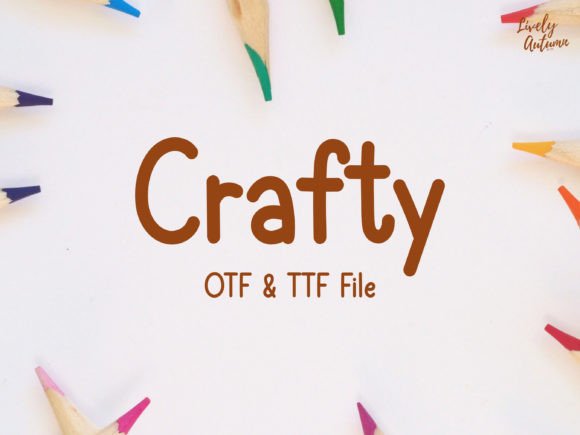
Crafty isn’t just another handwritten script font. Its appeal lies in its simple, unpretentious character. The strokes have a natural, slightly uneven flow, mimicking the rhythm of actual handwriting without being overly chaotic or childish. It carries a friendly, approachable personality—a mood that’s perfect for brands wanting to feel personal, creative, or gently nostalgic. For that bakery, it evoked the feeling of a hand-written recipe card or a chalkboard menu note, which was exactly the authenticity they were after.
As a display font, Crafty excels in short-form text. Its visual characteristics make it ideal for logos, headlines, and accent text where you want to inject personality. On the initial logo draft, the bakery’s name in Crafty immediately established a warm and trustworthy tone. It didn’t scream “corporate”; it whispered “crafted.” This is crucial for brand perception. A font like this tells your audience that you care about the details and the human touch behind the product.
From Mockup to Real-World Application
The first real test was on a packaging mockup. I placed the logo, set in Crafty, on a simple brown paper bag label. The handwritten style translated beautifully, making the packaging feel like a personal gift rather than a mass-produced item. This is where you see the impact on consistency and recognition. Using Crafty as the primary logo font meant that every subsequent asset—from the shop window sign to the business card—would carry that same cohesive, handmade signature.
Moving into other brand materials, Crafty proved versatile. For social media graphics, using it for quotes or promotional headlines on Instagram posts created instant engagement. The font’s friendly curves stood out against clean photography, drawing the eye without overpowering the image. On a printed flyer for a seasonal menu, it worked perfectly for the headline, while a clean, neutral sans-serif font handled the body text for readability. That pairing is key: Crafty as the personality-driven display typeface, supported by a highly readable sans-serif or serif font for longer information.
Testing in the Full Brand System
Before committing any font to a full brand system, I always run practical tests. For Crafty, this meant checking it at various sizes on different mediums. How does it look on a small sticker tag? Is it clear on a mobile website header? Does it maintain its character when printed on a coarse material like canvas? Fortunately, its simple construction meant it remained legible and charming across these applications. It’s not designed for long paragraphs of body text, but for its intended use as a headline and accent font, it performed reliably.
Another realistic observation came from the website mockup. In the homepage hero section, the bakery’s tagline set in Crafty created an immediate emotional connection before the user even scrolled. It set the stage. This is the power of a well-chosen display font: it establishes the brand’s mood within seconds. For editorial design, like a simple journal or recipe booklet for the client, Crafty used for titles and section headers brought a consistent, playful elegance to the pages.
Practical Advice for Client Work
If you’re considering Crafty for a branding project, start by defining the brand’s core personality. This font is a perfect match for projects that are fun, personal, cute-themed, or inherently craft-based. Think independent coffee shops, skincare brands focusing on natural ingredients, handmade pottery shops, creative studios, or product-based businesses with a story to tell.
When pairing Crafty, look for complementary typefaces that provide stability. A classic serif font can add a touch of timeless sophistication, while a geometric sans-serif can ground the design with modern clarity. The goal is to let Crafty shine where personality is needed, while ensuring all other text is effortlessly readable. For commercial design assets—from product labels to merchandise like t-shirts or tote bags—the font’s handwritten style translates into a unique, branded mark.
It’s also wise to consider the technical aspects. As a simple handwritten font, Crafty typically comes in standard weights and file formats suitable for both digital and print. Checking for any included stylistic alternates or ligatures can add extra flair for logo customization. Its multilingual support, if available, is essential for brands with a broader audience. And always, confirm the commercial font licensing to ensure it covers your client’s intended use, from packaging to widespread marketing materials.
The Final Brand Impression
Walking through the final brand materials for that bakery felt satisfying. The Crafty font had become synonymous with their identity. It was on their bakery box seal, their menu chalkboard replica, their thank-you cards, and their social media template. The font didn’t just decorate; it communicated. It told customers that this was a place built by hand, with care. That’s the ultimate goal of typography in branding: to be an silent, powerful ambassador for the brand’s values.
For graphic designers, brand designers, and entrepreneurs looking for that authentic touch, Crafty offers a reliable and charming tool. It bridges the gap between digital precision and human imperfection, making it a valuable asset for projects that need to feel real, engaged, and personally crafted. From invitations to posters, from social media graphics to journals, its application is as varied as your creativity. The next time a project calls for warmth and a handwritten touch, try typing the name in Crafty. You might just find the perfect starting point for your entire visual identity.