The Elegant Touch: Margille Font for Handmade & Printable Designs
There’s a moment I always look forward to in my creative process. It happens when I’ve finished designing a candle label, and I send the file to print. The moment isn’t when the paper emerges from the printer, though that’s lovely. It’s the quiet instant just before, when the text on my screen looks so perfectly right—like it belongs not just on the label, but to the product itself. Recently, that moment has arrived more often, thanks to a font called Margille.
A Beautiful Script with Maker-Friendly Charm
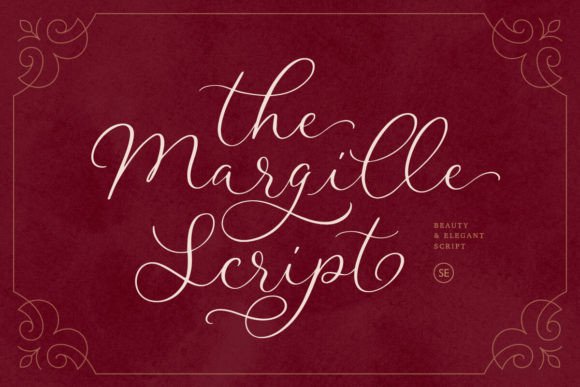
Margille is a beautifully elegant handwritten script font. Its personality is warm and refined, with a flowing, natural rhythm that feels both timeless and contemporary. This isn’t a font that shouts; it whispers with grace. For anyone creating physical products, digital printables, or shop materials, that whisper translates into perceived quality and emotional appeal. The charm lies in its details: it contains a full set of lowercase and uppercase letters, symbols, and supports multiple languages. But the real magic for crafters is in the extras—ligatures, initial and terminal alternates, and special swashes. These features let you customize words, giving names or short phrases a unique, almost bespoke look, which is exactly what handmade brands strive for.
Bringing Products to Life with Margille
I first tested Margille on a set of wedding invitation mockups. The client wanted something elegant but approachable. Using the uppercase alternates for the initial letters of the names, and a delicate swash on a key word, the design immediately felt cohesive and special. This wasn’t just text; it was part of the art. That success led me to try it across my shop materials.
For product labels and packaging, such as for candles, soaps, or honey jars, Margille lends an air of craftsmanship. The elegant curves suggest care and attention to detail. On greeting cards and wedding stationery, it adds that handwritten sentiment without the inconsistency of actual handwriting. For wall art printables and planner pages, it becomes a decorative element that elevates the entire design. I’ve even used it successfully on stitched tote bags and mug designs through my cutting machine, where the clean lines of the script translated beautifully into vinyl or heat-transfer material.
Practical Advice for Readability & Use
Margille shines as a display font. It’s perfect for short phrases, names, titles, and decorative wording. Think product names on labels, “Happy Birthday” on cards, “Welcome” on a wedding sign, or inspirational quotes on wall art. For longer paragraphs of text, like terms on a download or lengthy product descriptions, it’s best paired with a simpler font. A clean, modern sans serif or a minimal serif font creates a perfect balance, letting Margille be the star for headings and key text while ensuring overall readability.
When using Margille for physical products, consider size and medium. For small stickers or intricate cutting machine projects, test the legibility at your intended size—the elegant details remain clear, but you want to be certain. On printed cards and mockup previews for your online shop, it renders beautifully, adding a premium feel to your listing images. For merchandise like shirts or bags, ensure your rendering software or cutting machine handles the vector paths well; the font’s design is clean and well-built for this purpose.
Building a Consistent Creative Identity
For small shops and creators, brand consistency is everything. Using Margille across your materials—from your main logo (if it suits your brand style) to your product labels, packaging tags, and even your social media graphics for new launches—creates a recognizable visual thread. Customers begin to associate that elegant, handwritten style with your work. It builds an identity that feels curated and intentional, which is a powerful tool for engagement in a crowded marketplace.
Essential Checks Before You Sell
Before using any font for commercial products—whether you’re selling physical items like candles with labels, digital printables, SVG files for others to craft with, or merchandise—you must check the license. Ensure Margille’s license permits commercial use for your intended purposes. Also, explore the included styles and files thoroughly. Familiarize yourself with how to access the alternates and swashes in your design software (often through an OpenType panel). This knowledge lets you wield the font’s full creative potential, turning a standard phrase into something uniquely yours for a seasonal holiday tag or a boutique’s packaging stamp.
Its multilingual support means you can confidently create materials for a wider audience, a small but significant detail for growing shops. And as a complete script font family with robust features, it stands as a reliable design asset, removing the need to mix and match scripts for different projects.
A Natural Part of the Maker’s Toolkit
In the end, the best fonts don’t just sit in your software library; they become part of your creative voice. Margille has that quality. When I’m designing a new set of farmhouse-style signs or preparing the artwork for a spring-themed digital download, it’s a font I now reach for instinctively. It carries the elegance I want my products to embody, and its practical, maker-friendly features mean that elegance is achievable, not just aspirational. It transforms text from a simple necessity into an integral element of the design, helping tell the story of your handmade item before a customer even touches it. That, for any crafter or seller, is a beautiful thing.